Limb Pruning in Allentown, PA
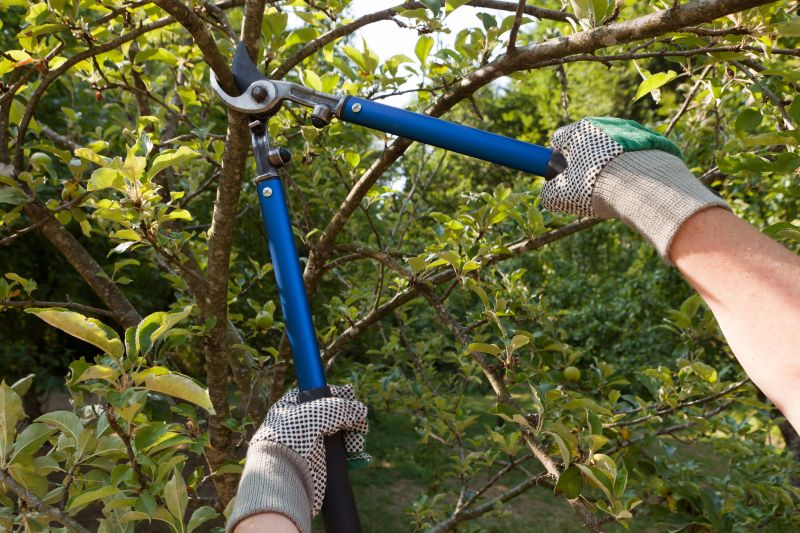
Limb pruning services involve selectively trimming and removing specific branches or limbs from trees to promote healthy growth, improve appearance, and reduce potential hazards. This type of pruning is suitable for a variety of projects, including removing dead or diseased branches, shaping trees for aesthetic purposes, and ensuring that branches do not interfere with power lines, structures, or walkways. Property owners often seek limb pruning to enhance the safety and visual appeal of their landscape, especially when dealing with overgrown or poorly maintained trees.
Before requesting limb pruning, property owners should consider the current condition of their trees and identify any problematic branches or limbs that may pose risks or affect the overall health of the tree. It’s helpful to understand the specific goals for the pruning project, such as improving airflow, reducing weight on heavy limbs, or maintaining a certain aesthetic. Clear communication of these objectives can ensure the work aligns with the desired outcome and helps maintain the safety and beauty of the landscape.
Many property owners in Allentown, PA look into Limb Pruning for repairs, replacements, upgrades, and appearance-related improvements.
Tree Health And Safety
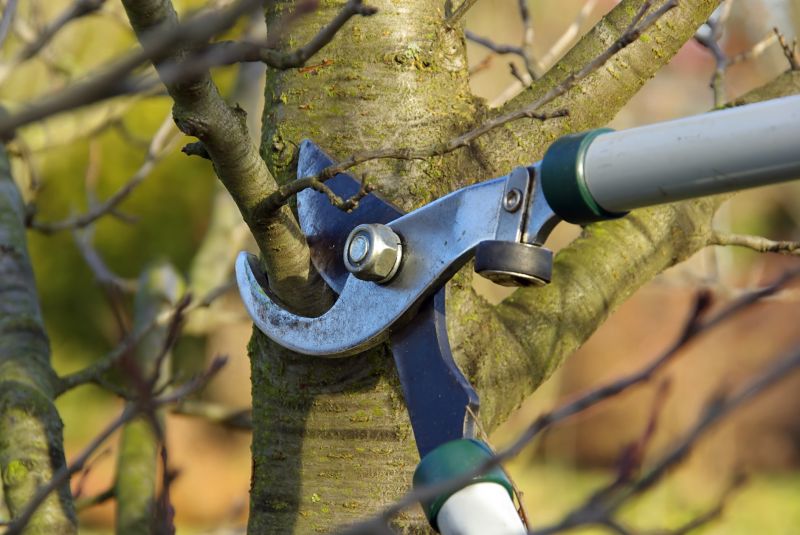
Proper limb pruning reduces the risk of storm damage and disease spread.
Aesthetic Enhancement
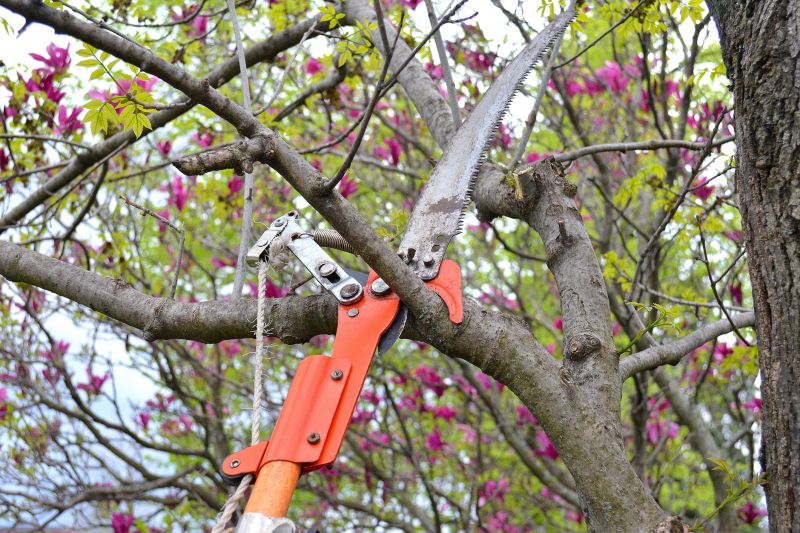
Selective trimming improves the appearance and shape of trees in residential landscapes.
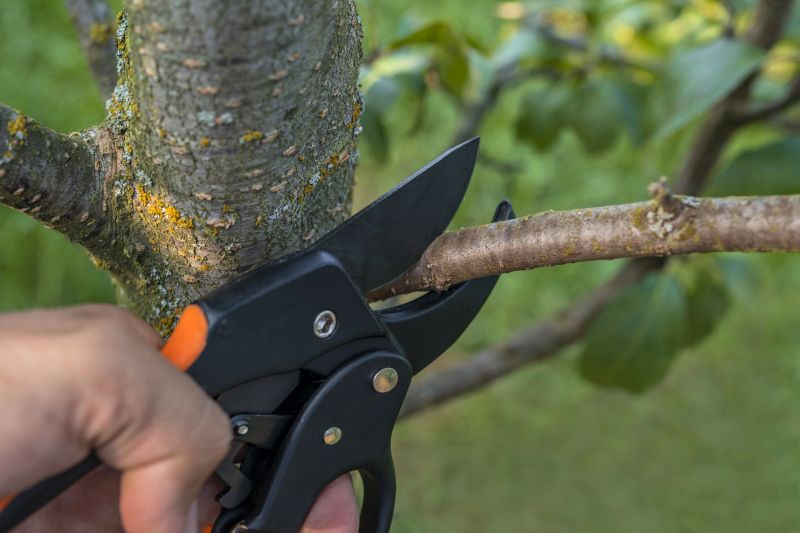
Property Preservation
Limb pruning helps prevent branches from interfering with structures, power lines, and walkways in allentown neighborhoods.
Limb Pruning in Allentown, PA
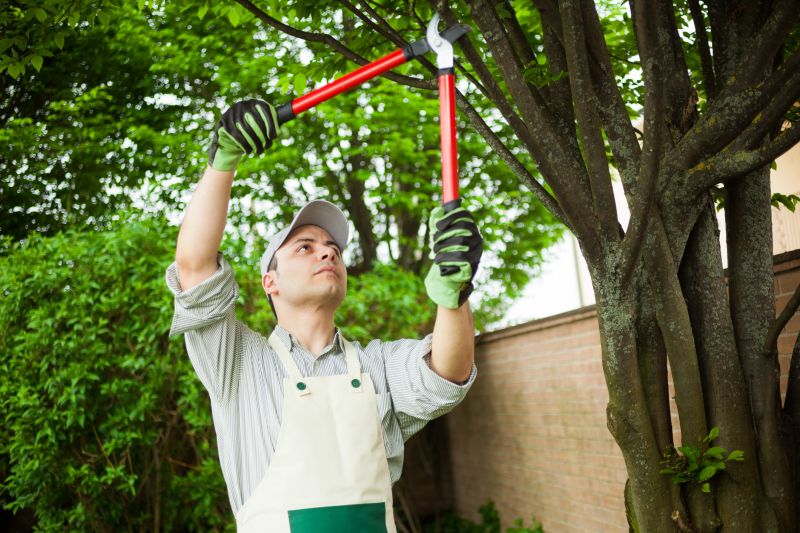
Limb pruning services involve selectively trimming and removing specific branches or limbs from trees to promote healthy growth, improve appearance, and reduce potential hazards. This type of pruning is suitable for a variety of projects, including removing dead or diseased branches, shaping trees for aesthetic purposes, and ensuring that branches do not interfere with power lines, structures, or walkways. Property owners often seek limb pruning to enhance the safety and visual appeal of their landscape, especially when dealing with overgrown or poorly maintained trees.
Before requesting limb pruning, property owners should consider the current condition of their trees and identify any problematic branches or limbs that may pose risks or affect the overall health of the tree. It’s helpful to understand the specific goals for the pruning project, such as improving airflow, reducing weight on heavy limbs, or maintaining a certain aesthetic. Clear communication of these objectives can ensure the work aligns with the desired outcome and helps maintain the safety and beauty of the landscape.
Many property owners in Allentown, PA look into Limb Pruning for repairs, replacements, upgrades, and appearance-related improvements.
Common Limb Pruning Jobs
Tree Pruning - removes dead or damaged branches to promote healthy growth.
Crown Thinning - reduces dense foliage to improve air circulation and light penetration.
Structural Pruning - shapes trees to develop strong branch structures and prevent hazards.
Formative Pruning - guides young trees to establish proper growth patterns early on.
Safety Pruning - removes branches that pose risks to people or property.
Selective Pruning - targets specific branches to maintain the tree’s natural shape and health.
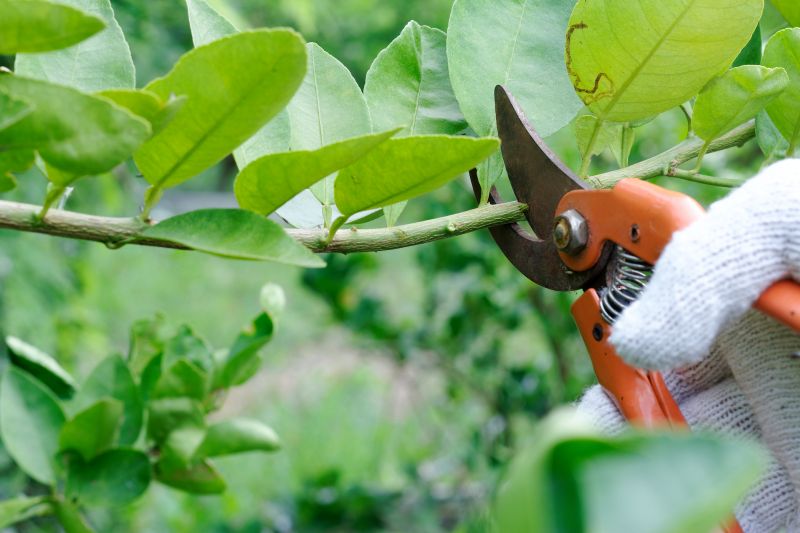
Limb Pruning Questions
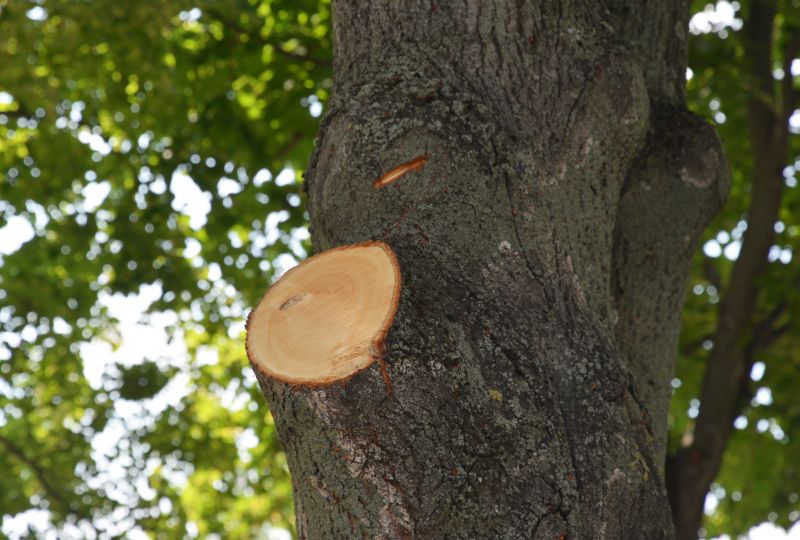
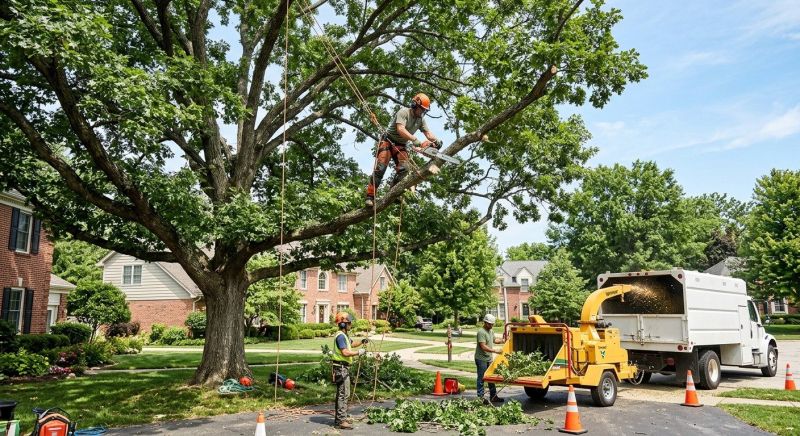
What is limb pruning? Limb pruning involves selectively trimming tree branches to improve health, shape, and safety of the tree.
When should trees be pruned? Trees should be pruned during dormancy or when overgrown to maintain their structure and prevent hazards.
What are common reasons for limb pruning? Reasons include removing dead or damaged branches, reducing risk of falling limbs, and enhancing aesthetic appearance.
Is limb pruning safe for trees? Proper limb pruning supports tree health and reduces the risk of disease or damage caused by broken branches.
Request Limb Pruning in Allentown, PA
Use the quote form on this page to share the basics of your project and request more information for the type of work you need.